
Percentage of divorces citing infidelity as cause USA: shocking truth
- Introduction: Why Understanding Infidelity’s Role in Divorce Matters When Considering Marriage
- How Big Is Infidelity’s Role in US Divorces? The Real Percentage Breakdown
- Why Does Infidelity Lead to Divorce? The Messy, Heartbreaking Reality Behind the Numbers
- Women Are Closing the Cheating Gap: What’s Driving This Shift?
- The Legal Side: How Infidelity Affects Divorce Outcomes in the USA
- Money, Trust, and Infidelity: The Complicated Financial Side of Divorce
- Why Many People Choose to Avoid Marriage: Infidelity and Other Top Reasons
- Healing and Moving On: What Happens After Infidelity and Divorce?
- Opinions From Real People: What Those Who’ve Been There Say About Cheating and Divorce
- Summary: What the Percentage of Divorces Citing Infidelity as Cause in the USA Really Means for You
- Sources and References
Introduction: Why Understanding Infidelity’s Role in Divorce Matters When Considering Marriage
Cheating is one of those things that just wrecks relationships in a way that’s hard to bounce back from. When you think about why people get divorced in the US, infidelity often pops up near the top of the list. But the numbers can be all over the place — some say it causes as few as 15% of divorces, others claim it’s as high as 50%. That’s a huge gap, and it tells you how complicated this topic really is.
For a lot of people, the idea of someone betraying their trust is heartbreaking and stressful. It’s not just about the act itself but what it represents — broken promises, lies, and a deep sense of loss. That’s why many young and middle-aged adults today are wary of jumping into marriage. They want to know the risks before they say “I do,” especially when it comes to cheating.
We’ll unpack the real stats on how often infidelity leads to divorce in the US, why it’s such a big deal emotionally, and how it affects the legal and financial sides of splitting up. We’ll also look at why women are cheating more than before, what the courts actually care about, and why many people just decide marriage isn’t worth the risk. Plus, we’ll share some real voices from folks who’ve been through it all. So, buckle up — it’s gonna be an eye-opener.
How Big Is Infidelity’s Role in US Divorces? The Real Percentage Breakdown
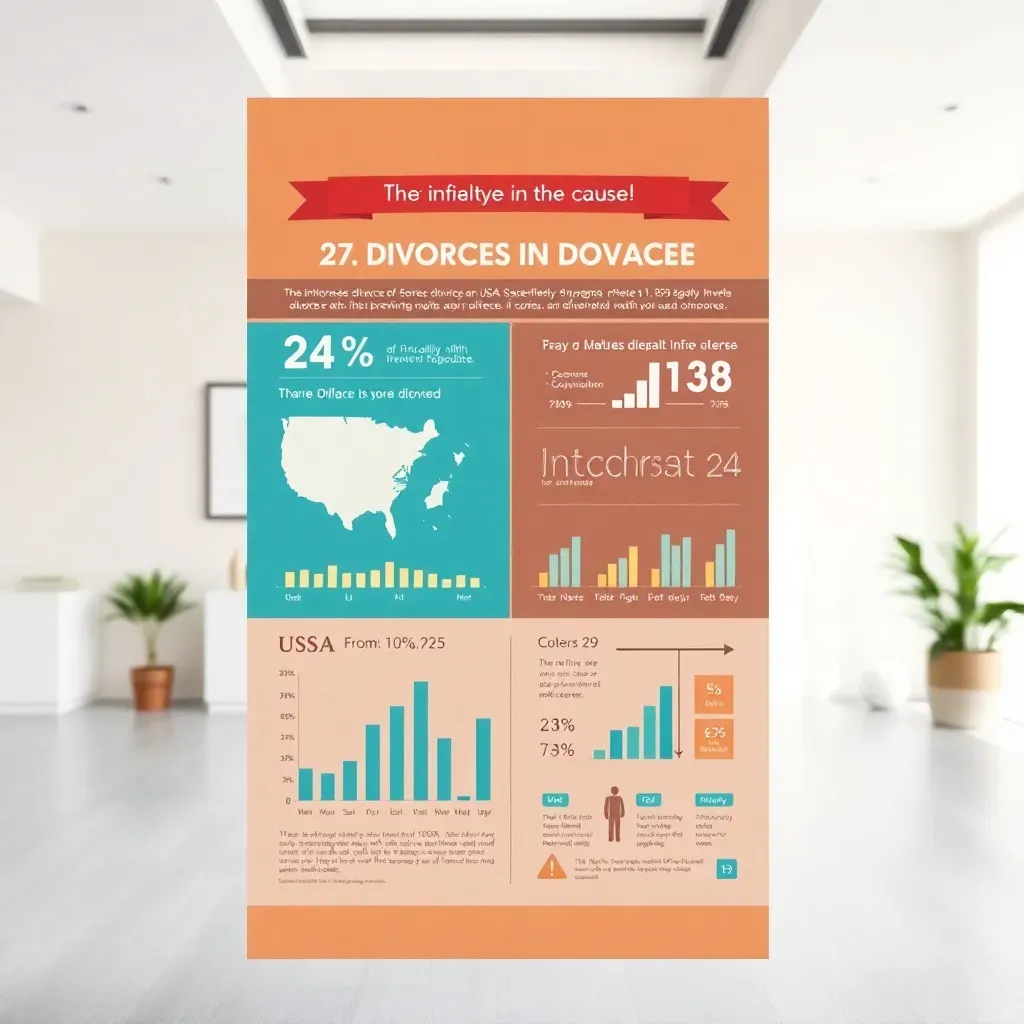
When you ask, “What’s the percentage of divorces citing infidelity as cause USA?” you get a pretty wide range. Studies and surveys report anywhere from 15% to 50%. Why such a big spread? Well, it depends on how cheating is defined, who’s reporting it, and the methods used.
Some research counts only physical affairs — actual sexual encounters outside the marriage. Others include emotional affairs, which can be just as damaging but harder to prove or even admit. Plus, people don’t always want to admit they or their partner cheated, so self-reporting can be unreliable.
Here’s a quick breakdown of what the numbers say about gender and cheating rates in divorces:
| Group | Approximate Infidelity Rate | Trend Over Time |
|---|---|---|
| Men | ~21% | Relatively stable |
| Women | ~14.7% | Up about 40% in 20 years |
| Overall Divorces Citing Infidelity | 15% - 50% | Varies by study |
Emotional affairs (EAs) have become more common with texting and social media, blurring the lines of what counts as cheating. Physical affairs (PAs) still get the most attention, but EAs can be just as painful and often lead to divorce too.
So, while the exact percentage varies, it’s clear that infidelity is a major factor in many US divorces. It’s not the only reason, but it’s a big one.
Why Does Infidelity Lead to Divorce? The Messy, Heartbreaking Reality Behind the Numbers
Cheating isn’t just a “mistake” — it’s a deep breach of trust that shakes the foundation of a marriage. When someone cheats, it triggers a flood of emotions: anger, sadness, confusion, and often a sense of betrayal that’s tough to shake off.
This emotional mess can spiral into constant arguments, stressful days, and sleepless nights. Couples often find themselves stuck in a cycle of blame and hurt, making it hard to communicate or rebuild what was lost.
But here’s the kicker: infidelity often exposes problems that were already there. Maybe the couple had communication issues, or one partner felt neglected or disconnected. Cheating can be both a cause and a symptom of these deeper issues.
Take Sarah’s story, for example. She found out her husband was having an affair after years of feeling like they were just roommates. The cheating broke the last thread of trust, but it also forced them to face years of unspoken problems. For them, divorce felt like the only way out.
So, infidelity isn’t just about the act itself — it’s about what it reveals and how it shakes up everything. That’s why it’s such a common reason for divorce.
Women Are Closing the Cheating Gap: What’s Driving This Shift?
The old stereotype that men cheat way more than women is losing ground. Research shows women’s infidelity rates have climbed about 40% over the last two decades, now sitting around 14.7%. Men’s rates hover near 21%, so the gap is narrowing.
What’s behind this shift? A few big factors:
- Financial independence More women are working and earning their own money, which means they have more freedom and opportunities.
- Social changes Traditional gender roles are evolving, and women feel less tied to old expectations.
- Technology Dating apps, social media, and texting make it easier to connect with others discreetly.
- Emotional needs Women’s reasons for cheating often involve emotional connection, which can be easier to find online or outside the marriage.
Relationship expert Dr. Lisa Marie Bobby says, “Women today have more choices and aren’t as bound by social stigma. This means they might take risks they wouldn’t have before, including affairs.”
So yeah, women are catching up to men in the cheating game, which adds a new layer to how we understand infidelity and divorce.
The Legal Side: How Infidelity Affects Divorce Outcomes in the USA
When it comes to divorce, the law doesn’t always care about who cheated. Most US states have “no-fault” divorce laws, meaning you don’t have to prove wrongdoing like infidelity to get divorced.
Here’s what that means in practice:
- No-fault states Cheating usually doesn’t affect how assets are split, who gets custody, or alimony — unless it involves spending marital money on the affair or harms the kids.
- Fault states A few states still allow fault divorces where proving cheating can help you get more property, better alimony, or skip waiting periods. But it’s tricky and expensive to prove.
| Divorce Type | Impact of Infidelity | Common States | Risks/Costs |
|---|---|---|---|
| No-Fault Divorce | Minimal impact on settlements | Most US states | Low cost, faster process |
| Fault Divorce | Can influence asset division, alimony, custody | Alaska, South Carolina, others | High cost, risky to prove cheating |
So, while cheating feels like a huge deal emotionally, courts mostly want to keep things simple and avoid drama. That’s why many divorces settle quickly without dragging out infidelity battles.
Money, Trust, and Infidelity: The Complicated Financial Side of Divorce
Money fights are actually the biggest predictor of divorce, and when you add cheating into the mix, things get even messier. Trust issues around finances often get worse after infidelity is discovered.
Imagine finding out your spouse spent thousands on an affair without telling you. That’s a double blow — betrayal on both emotional and financial levels.
That’s why working with a Certified Divorce Financial Analyst (CDFA) or family law professional can be a lifesaver. They help untangle complicated money issues, especially when secret spending or hidden assets are involved.
Here’s what to keep in mind:
- Infidelity can hide financial abuse or secret accounts.
- Dividing assets fairly requires detailed financial planning.
- Alimony decisions might consider the impact of affairs on finances.
- Getting expert advice helps avoid costly mistakes.
For example, John’s wife had an affair and spent marital funds on gifts for her lover. Without a financial expert, John might have missed that and lost out in the divorce settlement.
Why Many People Choose to Avoid Marriage: Infidelity and Other Top Reasons
It’s not just cheating that makes people hesitate to get married. There’s a whole mix of reasons why folks skip tying the knot:
- Financial stress Weddings and married life can be expensive, and money fights are common.
- Basic incompatibility Sometimes couples just don’t mesh well long-term.
- Fear of divorce Seeing so many marriages end makes people wary.
- Changing attitudes More people value independence and don’t see marriage as essential.
The risk of cheating and messy breakups adds fuel to the fire. Why jump into something that could end in heartbreak and legal battles?
Marriage rates in the US have been declining for years, and surveys show many singles and daters are skeptical about commitment. They want honesty and transparency before making a big decision.
Healing and Moving On: What Happens After Infidelity and Divorce?
Getting through cheating and divorce is no joke. It’s painful, exhausting, and full of ups and downs. But healing is possible.
Here are some tips for moving forward:
- Allow yourself to feel the emotions — anger, sadness, confusion.
- Seek counseling or support groups to process what happened.
- Work on rebuilding trust in yourself and future partners.
- Focus on practical steps like financial planning and legal advice.
- Remember that many people find healthy relationships after infidelity.
Courts usually want to settle things quickly, so try to keep the drama out of legal battles. It’s about moving on, not dragging old wounds.
Opinions From Real People: What Those Who’ve Been There Say About Cheating and Divorce
“Finding out my wife cheated was the hardest thing I’ve ever faced. It wasn’t just the betrayal but realizing we had so many problems we ignored. Divorce was painful but necessary.” – Mike, 42, divorced
“I never thought I’d cheat, but feeling lonely and unappreciated pushed me to make bad choices. It cost me my marriage and a lot of trust.” – Emily, 35, single
“The courts don’t care about cheating unless it messes with money or kids. It’s frustrating because the emotional pain feels invisible.” – Jason, 38, recently divorced
“I’m not sure if I’ll ever get married again. The risk of cheating and heartbreak just feels too high.” – Sarah, 29, dating
Summary: What the Percentage of Divorces Citing Infidelity as Cause in the USA Really Means for You
To wrap it up, the percentage of divorces citing infidelity as cause USA is a wide-ranging but important figure. Between 15% and 50% of divorces mention cheating as a factor, with men cheating more but women closing the gap fast. Infidelity breaks trust, exposes deeper issues, and often leads to divorce — but courts mostly focus on practical matters, not emotional drama.
Understanding these stats helps you see why many people hesitate to get married. It’s a reminder to think hard about trust, communication, and boundaries before tying the knot. But it’s also a hopeful message: even with risks, healthy relationships and second chances are possible.
Sources and References
- Institute for Divorce Financial Analysts - Leading Causes of Divorce
- Reddit Surviving Infidelity - Stats on Infidelity
- Cordell & Cordell - Effect of Infidelity on Divorce
- LaClairDeLuca - Divorce Statistics
- SKH Lawyers - Top Reasons Americans Get Divorced
- The Millard Law Firm - Legal Consequences of Adultery
- Travis Walker Law - Divorce Rate Statistics
- Safe Escape - Divorce and Abuse in the U.S.
- Yahoo Finance - Infidelity Statistics US
What do you think about the role of infidelity in divorce? Have you or someone you know experienced this? How do you feel about marriage risks today? Would you want to know more about how to protect yourself emotionally and financially? Share your thoughts, questions, or stories in the comments below!
 How divorce affects partner employment in Illinois: shocking truths
 Average divorce financial settlements in Florida: shocking costs
 Anonymous story controlling spouse in Tennessee: shocking truths
Si quieres conocer otros artículos parecidos a Percentage of divorces citing infidelity as cause USA: shocking truth puedes visitar la categoría Divorce Reality.
Leave a Reply